Next Prime Minister of Ethiopia?
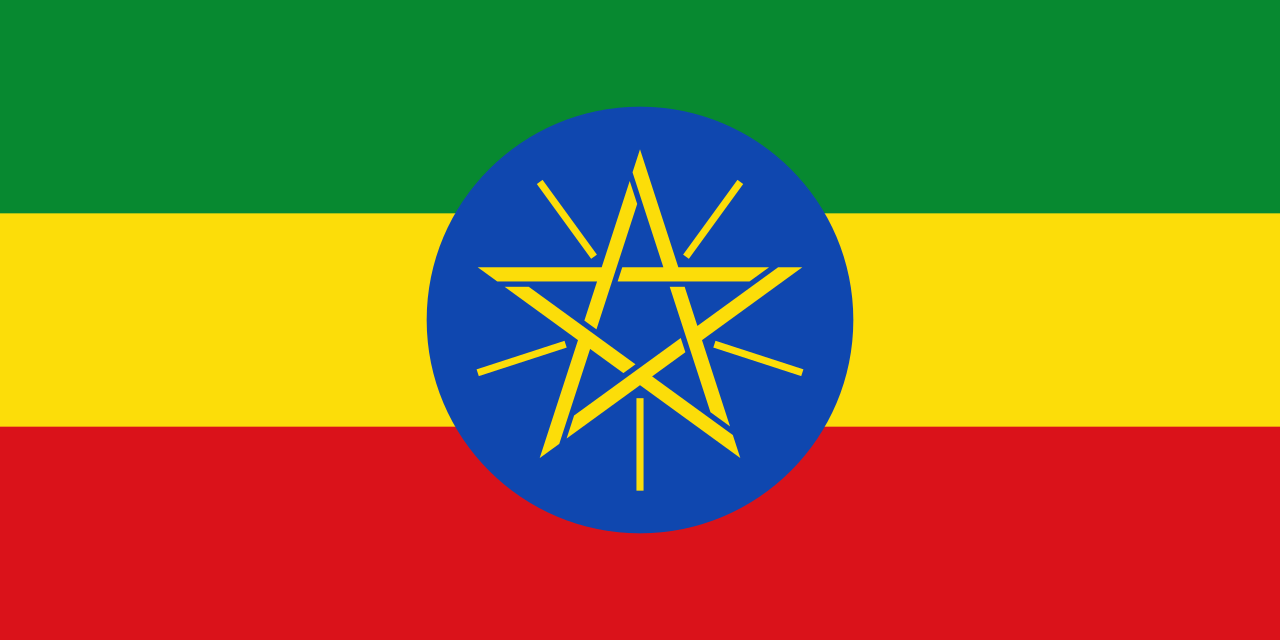
Next Prime Minister of Ethiopia?
General elections are scheduled to be held in Ethiopia on June 1, 2026.
离开游戏 · 跳转真实市场
- •The 16th BRICS Health Ministers’ Meeting, held in Chandigarh, India, on 23–24 July 2026, has produced the most significant political recognition of traditional medicine) in the history of BRICS health cooperation. For the first time, the Health Ministerial Declaration contains a dedicated section on traditional, complementary and integrative medicine (TCIM), endorsing a new BRICS expert working group on this topic to enhance dialogue, collaboration and exchange among Member States. The Health Ministerial Declaration outlines an ambitious agenda for TCIM research and evidence generation, including collaborative and multi-country studies, exchange of scientific methodologies and research experiences, documentation of best practices, and initiatives focused on clinical validation and evidence generation. It further encourages cooperation on quality, safety, toxicity assessment and pharmacovigilance approaches, while recognizing the value of diverse knowledge systems and traditional health practices. Member States are also encouraged to register for TCIM clinical trials in WHO-recognized registries, including the WHO International Traditional Medicine Clinical Trial Registry. A particularly forward-looking element of the agreement is its strong emphasis on digital innovation. BRICS countries pledged cooperation on digital knowledge platforms, repositories and databases relating to TCIM, including engagement with initiatives such as WHO’s Traditional Medicine Global Library. The Declaration also supports exchanges on interoperability, digital knowledge-sharing mechanisms, and the application of emerging technologies, including artificial intelligence, in TCIM research, education and health-care delivery. The outcome also reinforces the growing alignment between BRICS and the WHO Global Traditional Medicine Centre, which has become a key international platform for advancing research, capacity building and international cooperation in traditional medicine. By linking BRICS cooperation to the objectives of the WHO’s Global Traditional Medicine Strategy 2025–2034, the Declaration strengthens the global architecture supporting the safe, effective and evidence-informed use of traditional medicine. The 2026 BRICS Summit will be held in New Delhi on 12–13 September under the leadership of Indian Prime Minister Narendra Modi. BRICS brings together 11 major emerging markets and developing countries: Brazil, China, Egypt, Ethiopia, India, Indonesia, Iran, Russia, Saudi Arabia, South Africa and United Arab Emirates. It serves as a platform for consultation and cooperation on issues of global and regional significance. Belarus, Bolivia, Cuba, Kazakhstan, Malaysia, Nigeria, Thailand, Uganda, Uzbekistan and Vietnam joined BRICS as partner countries in 2025.
- •The 16th BRICS Health Ministers’ Meeting, held in Chandigarh, India, on 23–24 July 2026, has produced the most significant political recognition of traditional medicine) in the history of BRICS health
- •市场观点:Abiy Ahmed 97%
The 16th BRICS Health Ministers’ Meeting, held in Chandigarh, India, on 23–24 July 2026, has produced the most significant political recognition of traditional medicine) in the history of BRICS health cooperation. For the first time, the Health Ministerial Declaration contains a dedicated section on traditional, complementary and integrative medicine (TCIM), endorsing a new BRICS expert working group on this topic to enhance dialogue, collaboration and exchange among Member States. The Health Ministerial Declaration outlines an ambitious agenda for TCIM research and evidence generation, including collaborative and multi-country studies, exchange of scientific methodologies and research experiences, documentation of best practices, and initiatives focused on clinical validation and evidence generation. It further encourages cooperation on quality, safety, toxicity assessment and pharmacovigilance approaches, while recognizing the value of diverse knowledge systems and traditional health practices. Member States are also encouraged to register for TCIM clinical trials in WHO-recognized registries, including the WHO International Traditional Medicine Clinical Trial Registry. A particularly forward-looking element of the agreement is its strong emphasis on digital innovation. BRICS countries pledged cooperation on digital knowledge platforms, repositories and databases relating to TCIM, including engagement with initiatives such as WHO’s Traditional Medicine Global Library. The Declaration also supports exchanges on interoperability, digital knowledge-sharing mechanisms, and the application of emerging technologies, including artificial intelligence, in TCIM research, education and health-care delivery. The outcome also reinforces the growing alignment between BRICS and the WHO Global Traditional Medicine Centre, which has become a key international platform for advancing research, capacity building and international cooperation in traditional medicine. By linking BRICS cooperation to the objectives of the WHO’s Global Traditional Medicine Strategy 2025–2034, the Declaration strengthens the global architecture supporting the safe, effective and evidence-informed use of traditional medicine. The 2026 BRICS Summit will be held in New Delhi on 12–13 September under the leadership of Indian Prime Minister Narendra Modi. BRICS brings together 11 major emerging markets and developing countries: Brazil, China, Egypt, Ethiopia, India, Indonesia, Iran, Russia, Saudi Arabia, South Africa and United Arab Emirates. It serves as a platform for consultation and cooperation on issues of global and regional significance. Belarus, Bolivia, Cuba, Kazakhstan, Malaysia, Nigeria, Thailand, Uganda, Uzbekistan and Vietnam joined BRICS as partner countries in 2025.
查看原文 ↗▾展开完整报道

我没那么确定,现在市场波动太大了。
盘口已经反应得差不多了,进场性价比不高。
新闻里第 3 点才是关键,市场好像还没充分定价。